Sustainability
The United Nations’ Sustainable Development Goals (SDGs) provide a global framework for building a more inclusive, equitable, and sustainable future. These 17 goals address critical challenges such as poverty, gender equality, quality education, resilient infrastructure, climate action, justice, and global partnerships, encouraging collective responsibility and action. At Saraswati College of Pharmacy, we are committed to aligning our academic and institutional practices with this global agenda. Through innovative teaching, collaborative learning, and community engagement, we actively contribute to advancing the SDGs in meaningful ways.
Guided by our philosophy, “Growing Together for a Sustainable Future,” we view our institution as a hub for knowledge, innovation, and socially responsible action. We strive to create an environment where ideas are transformed into practical solutions that address real-world challenges. Our commitment extends beyond awareness—we focus on integrating sustainability into education, research, and outreach, ensuring that our students and faculty play an active role in driving positive change. By engaging with all 17 SDGs, we aim to translate knowledge into impactful actions that benefit both society and the environment.
Saraswati College of Pharmacy fosters scientific temper, curiosity, and entrepreneurial thinking, empowering students to create innovative solutions for sustainable development. Through interdisciplinary learning, students address global and local challenges with responsibility and creativity, building strong academic and practical skills.The College promotes collaboration among students, faculty, industry, and government, enabling knowledge co-creation and real-world impact. Aligned with the Sustainable Development Goals (SDGs), sustainability is embedded in governance, teaching, and research.As a socially responsible institution, the College prioritizes sustainable campus practices, aiming to reduce its ecological footprint while nurturing ethical, inclusive, and future-ready leaders committed to a sustainable world.
Saraswati College of Pharmacy is committed to create a sustainable and energy-conscious campus. The institution continuously works towards reducing energy consumption and adopting cleaner sources of energy through thoughtful planning and responsible practices. Regular monitoring of energy usage and timely maintenance of electrical systems help ensure that resources are used efficiently without compromising on functionality.
As part of its ongoing efforts, the college has gradually shifted to energy-efficient solutions such as LED lighting and modern electrical equipment that consume less power. At the same time, initiatives to adopt renewable energy, particularly solar power, are being encouraged to reduce reliance on conventional energy sources. These steps not only improve efficiency but also contribute to a greener and more environmentally friendly campus.
Sustainability at the institution goes beyond just energy use. A conscious effort is made to maintain a green campus through plantation drives, better use of natural light and ventilation, and creating awareness among students and staff about simple energy-saving habits. Practices like rainwater harvesting and eco-friendly infrastructure development further support the vision of building a self-sustaining campus environment.
Through these collective efforts, Saraswati College of Pharmacy continues to move towards a more responsible and sustainable future, while encouraging its students and staff to be active participants in protecting the environment.
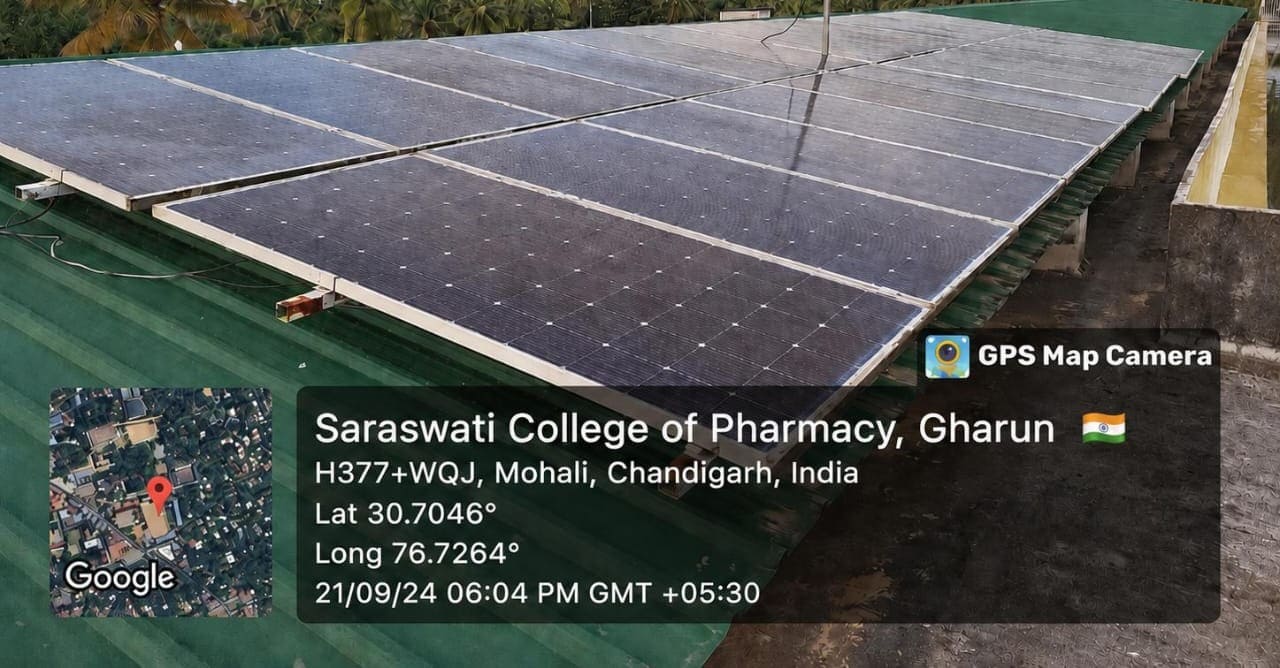
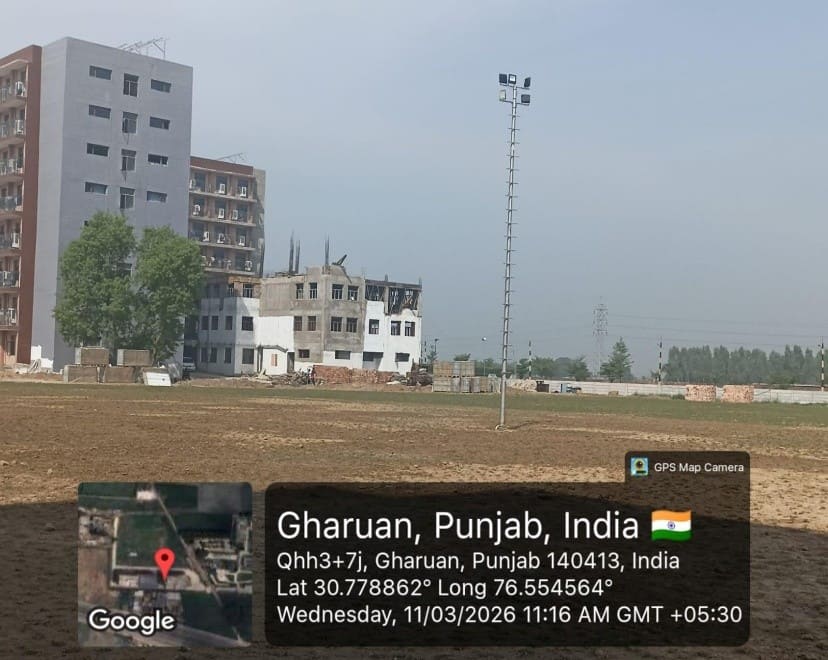
Energy Generated & Consumed Details
| Financial Year | Total Electricity Consumed (Grid+RE) | Total Renewable Energy (RE) Power Installed(Solar+Wind+ Others) | Total Electricity Generated by RE Technology (Solar + Wind + Others) | Total Built-up Area |
| Unit | (kWh) | (kWp) | (kWh) | (Sq.ft.) |
| 2024-25 | 4816451 | 180 | 191232 | 25498 |
| 2023-24 | 3421442 | 180 | 182541 | 25498 |
| 2022-23 | 1554650 | 180 | 187200 | 25498 |
Saraswati College of Pharmacy is committed to creating a sustainable campus by adopting practical and responsible measures for environmental protection and water conservation. The institution focuses on managing natural resources carefully while encouraging everyone on campus to be mindful of their usage in day-to-day activities.
Special attention is given to water conservation through well-planned systems and regular practices. The campus is equipped with a rainwater harvesting system that helps in collecting and recharging groundwater, supporting the water table and reducing dependence on external water sources. In addition, regular inspection and maintenance of pipelines are carried out to prevent leakages and avoid unnecessary wastage of water.
The institution also promotes the reuse of grey water for gardening and landscaping purposes, ensuring that water is utilized efficiently before being discharged. These simple yet effective practices help in reducing overall water consumption and contribute to a more sustainable campus environment.
Through these consistent and practical steps, Saraswati College of Pharmacy is steadily working towards building a self-sustaining, environmentally responsible campus that reflects its commitment to sustainability and conservation.
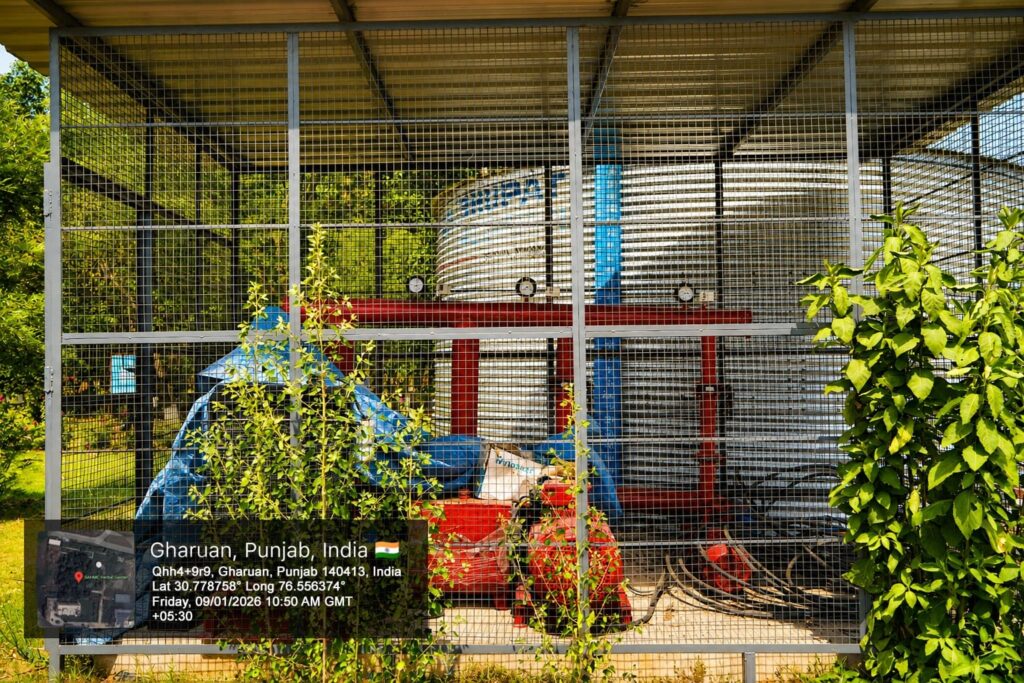
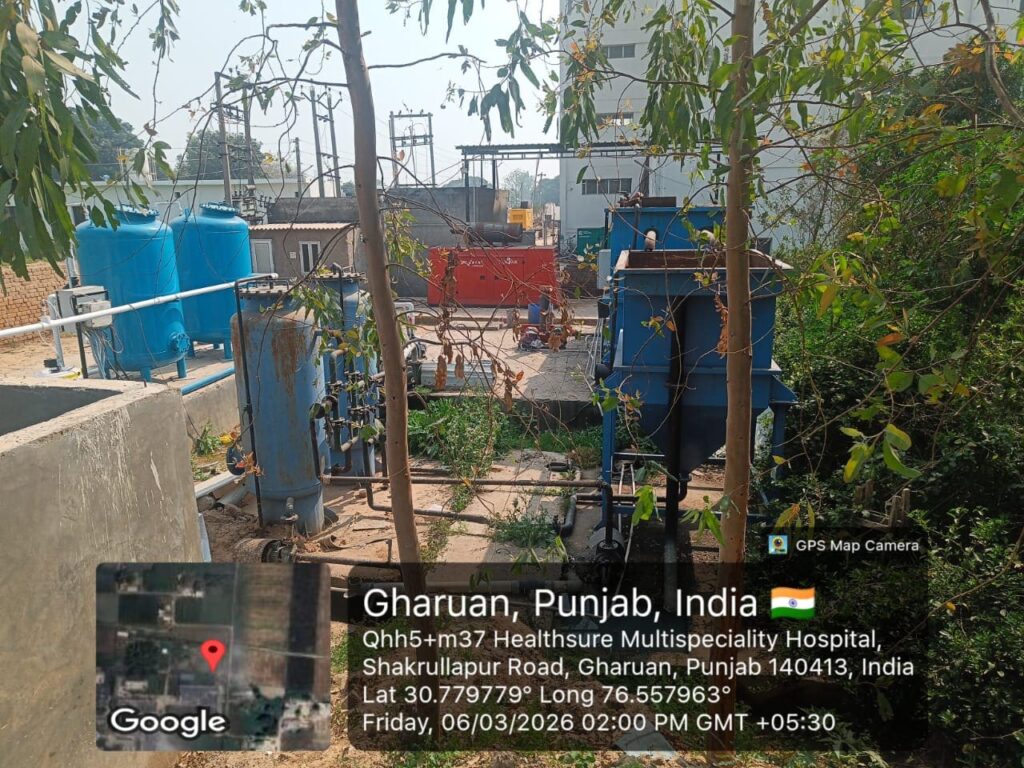
Water Management Details
| Financial Year | TotalHorse power of all pumps installed | Total Rooftop Areaconnectedto Rainwater Harvesting (RWH) | Percentage ofWastewater Treated C Reused (approx.) | Total no of Taps in the Campus | No of Tapsinstalled with low- Flow fixtures | Total Rooftop Area |
| Unit | HP | Sq.ft. | % | Number | Number | Sq.ft. |
| 2024-25 | 60 | 32250 | 60 | 260 | 52 | 61650 |
| 2023-24 | 30 | 32250 | 55 | 150 | 35 | 32250 |
| 2022-23 | 30 | 32250 | 50 | 150 | 22 | 32250 |
Solid Waste Management:
The institution follows a systematic approach to solid waste management to ensure a clean and sustainable campus environment. Waste is segregated at the source into biodegradable and non-biodegradable categories using color-coded bins placed across the campus. Biodegradable waste, such as food waste and garden litter, is processed through composting units to produce organic manure, which is further utilized for landscaping and gardening purposes. Regular awareness drives and monitoring mechanisms are in place to encourage responsible waste disposal among students and staff.
Liquid Waste Management:
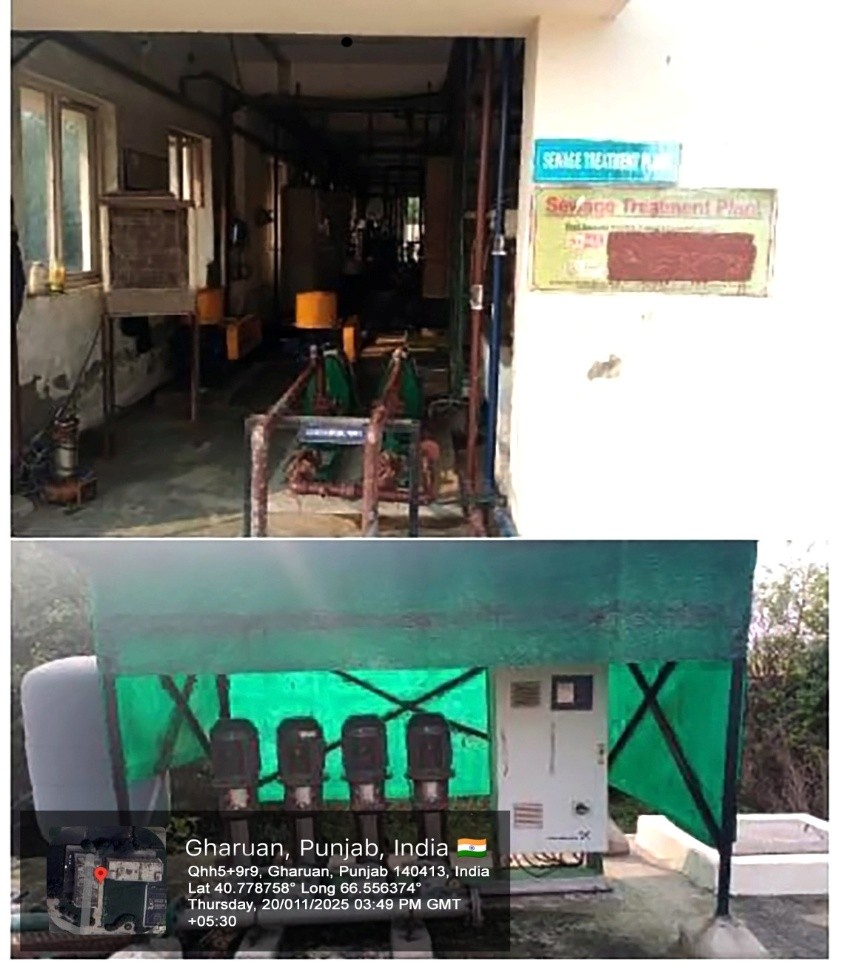
Effective liquid waste management practices are implemented to minimize environmental impact and promote water conservation. Wastewater generated from washrooms, laboratories, and other facilities is treated through appropriate treatment systems sewage treatment plants (STPs). Treated water is reused for non-potable purposes such as irrigation, gardening, and cleaning activities. Periodic maintenance of pipelines and drainage systems is ensured to prevent leakages and contamination. The institution also promotes the reuse of greywater to reduce the overall freshwater consumption.
E-Waste Segregation and Management:
The institution adopts responsible practices for the segregation and disposal of electronic waste (e-waste). Obsolete and non-functional electronic items such as computers, printers, laboratory equipment, and other digital devices are systematically identified and segregated. These items are stored safely and disposed of through authorized e-waste management agencies in compliance with regulatory guidelines. Efforts are also made to extend the lifecycle of electronic devices through maintenance, repair, and upgradation.
Waste Management Details
| Financial Year | Total (Wet+ Dry) Solid WasteGenerat ed, (Plant Waste notinclude d) | Total Horticult ureWaste Generated(Plant Waste) | Total Dry Waste Genera ted (Plant Waste notinclude d) | Total Wet Waste Genera ted (Plant Waste notinclude d) | Total Dry Waste Recycl ed | TotalBiodegrad able(Food) WasteProcessed (excluding plant/tree waste) | Total Electro nicWaste Genera ted | |
| Tons | Tons | Tons | Tons | Tons | Tons | Tons | KG | |
| 2024-25 | 7.2 | 4.8 | 9.0 | 3.0 | – | 1 | 22 | |
| 2023-24 | 5.5 | 3.2 | 6.8 | 1.5 | – | 0.5 | 15 | |
| 2022-23 | 5.7 | 2.8 | 5.7 | 1.5 | – | 0.3 | 12 | |
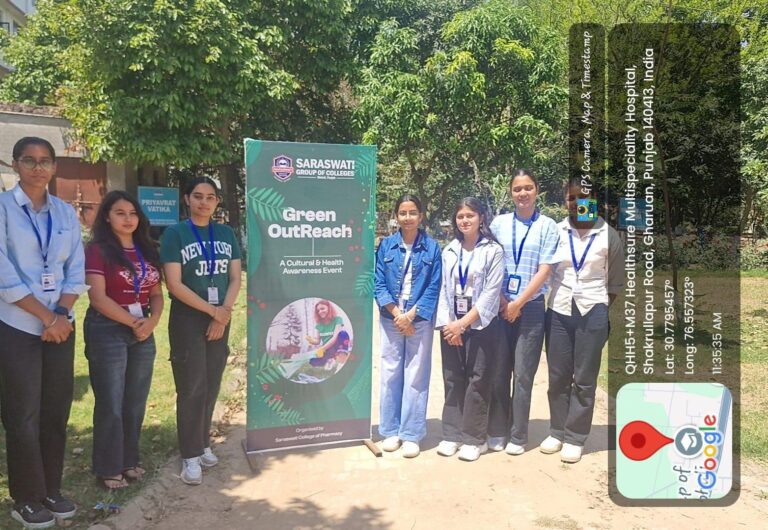
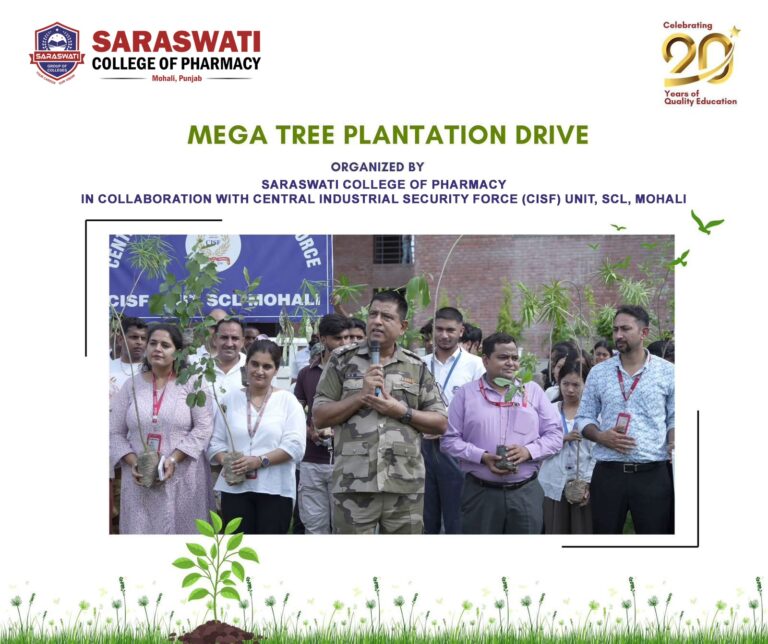
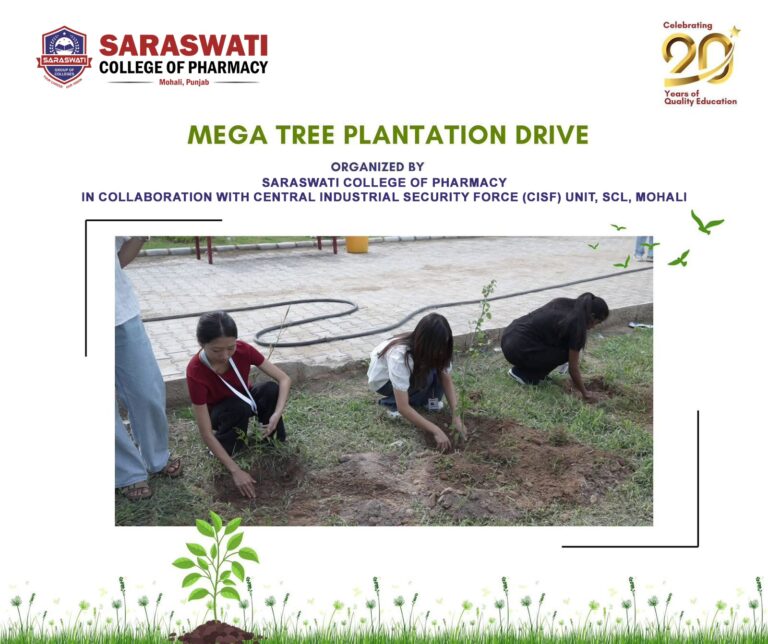
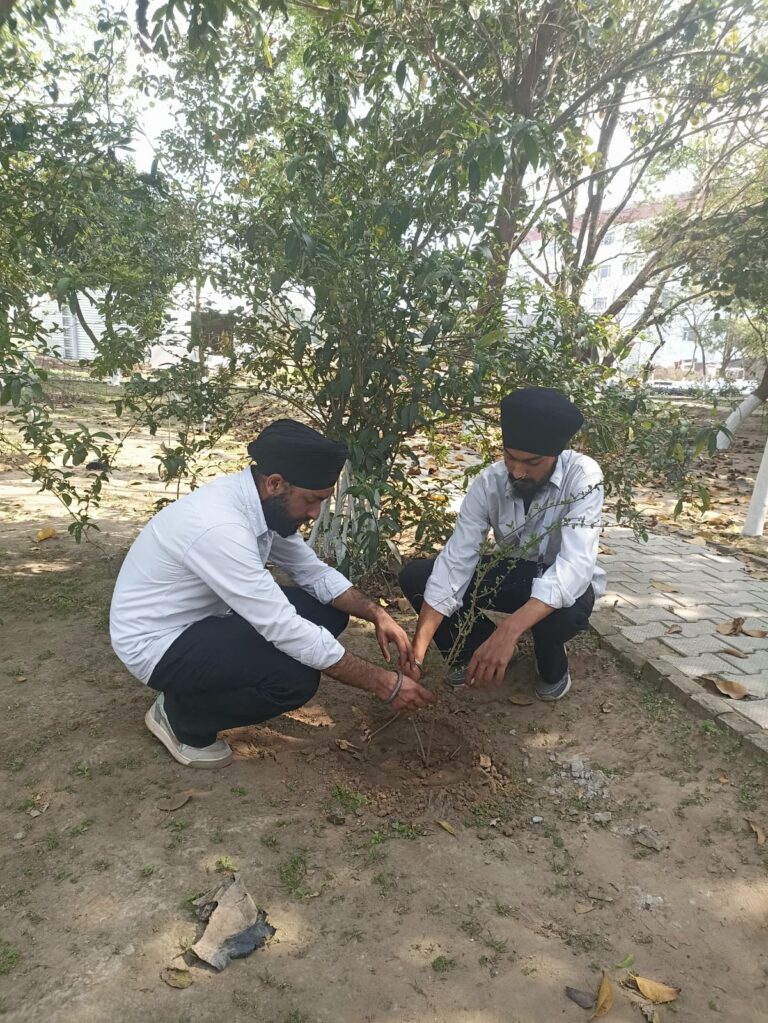
The institution takes pride in nurturing a green and eco-friendly campus that reflects its deep commitment to environmental sustainability. Over the years, consistent plantation drives have been carried out involving students, faculty, and staff, creating a strong sense of responsibility towards nature. These initiatives are not just occasional activities but a continuous effort to enrich the campus ecosystem and promote environmental awareness among all stakeholders.
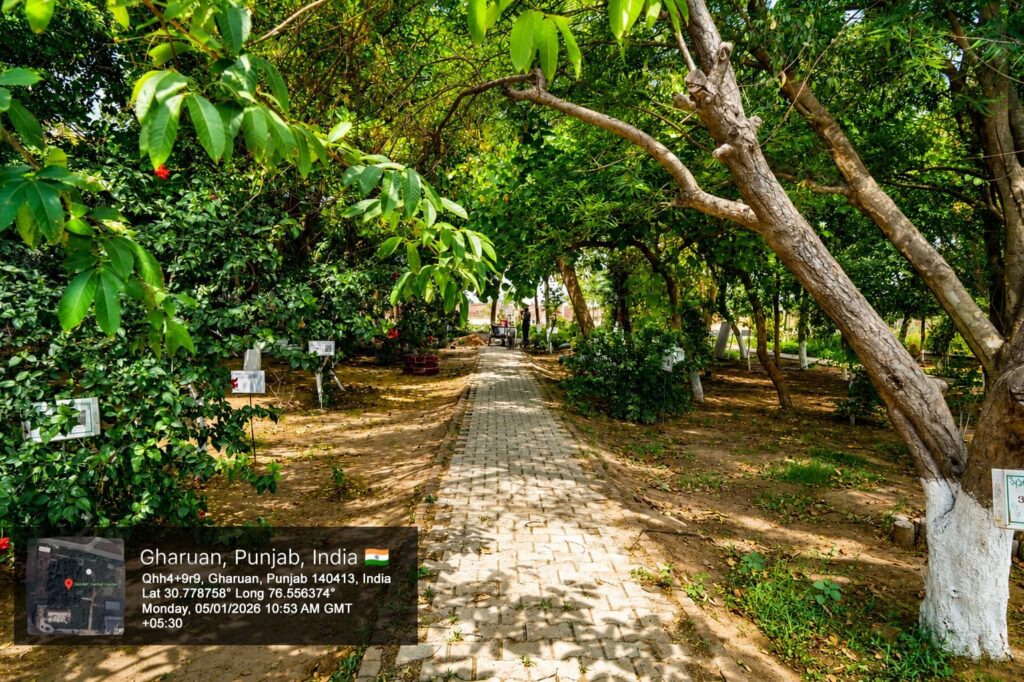
The campus is home to a wide variety of plant species, including ornamental plants, medicinal herbs, shrubs, and large shade-giving trees. This rich biodiversity not only enhances the aesthetic appeal of the surroundings but also contributes to maintaining ecological balance. Special care is taken to preserve and maintain these plants through regular watering, pruning, and soil management practices.
One of the most notable aspects of the campus greenery is the presence of mature trees that have been standing for more than a decade. These well-established trees provide ample shade, improve air quality, and create a calm and pleasant atmosphere conducive to learning. Walking through the campus, one can truly experience the freshness and serenity offered by this green cover.
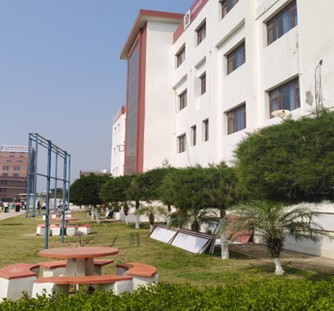
In addition to plantation, the institution ensures proper maintenance of green spaces through dedicated gardening staff and sustainable practices. Efforts such as the use of organic manure, efficient irrigation methods, and seasonal plantation planning further strengthen the green initiative. Overall, the campus reflects a harmonious blend of infrastructure and nature, making it a healthy and inspiring place for academic and personal growth.
Green Coverage Details
| Financial Year | Total campus land area | Approximate green covered area within campus(includes lawn, trees, and hedges) | Approximate number of mature trees on campus (older than 10years) | Number of saplings planted this year(within and outside campus) |
| Unit | Acres | Acres | Number | Number |
| 2024-25 | 21 | 9 | 50 | 530 |
| 2023-24 | 10 | 6 | 50 | 480 |
| 2022-23 | 10 | 4 | 50 | 430 |
The institution places strong emphasis on the health and well-being of its students, faculty, and staff, recognizing that a healthy mind and body are essential for effective learning and productivity. A supportive and caring environment is nurtured on campus, where physical fitness, mental wellness, and emotional balance are given equal importance.
Regular health check-up camps and medical assistance facilities are made available to ensure timely care and awareness about preventive health measures. The campus also encourages an active lifestyle by providing basic sports and fitness facilities, motivating students to engage in physical activities alongside their academic pursuits. Yoga and meditation sessions are organized periodically to help individuals manage stress, improve concentration, and maintain inner balance.
In addition to physical health, the institution is equally committed to promoting mental well-being. Counselling support and mentorship systems are in place to guide students through academic and personal challenges. Open communication and a positive academic atmosphere help in reducing stress and building confidence among learners.
Awareness programs, workshops, and campaigns focusing on nutrition, hygiene, stress management, and overall wellness are conducted regularly. These initiatives aim to instill healthy habits and a sense of self-care among all members of the institution. Overall, the campus strives to create a safe, healthy, and nurturing environment where individuals can grow holistically and achieve their full potential.


Health and Well-Being Details
| Financial Year | Total area Designated as pedestrian/ vehicle-Restricted zones (other than building area) | Total area designated for sports facilities | Total area of the campus | Number of People taking part in Yoga, And Meditation program s at least twice a year | Number of People taking part in Yoga, And Meditation programs, Once per week |
| Unit | Acres | Acres | Acres | Number | Number |
| 2024-25 | 1 | 2 | 21 | 120 | 25 |
| 2023-24 | 0.5 | 1 | 10 | 110 | 15 |
| 2022-23 | 0.5 | 1 | 10 | 89 | 10 |
The institution actively works towards building sustainable communities by developing meaningful partnerships and encouraging social responsibility among its stakeholders. It believes that education extends beyond classrooms and plays a vital role in contributing to the well-being and development of society. Through various outreach activities and collaborative initiatives, the institution strives to create a positive and lasting impact on the surrounding communities.
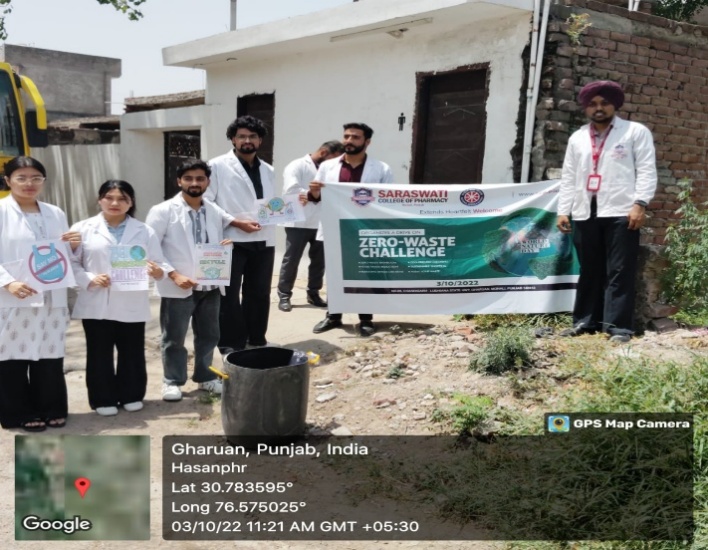
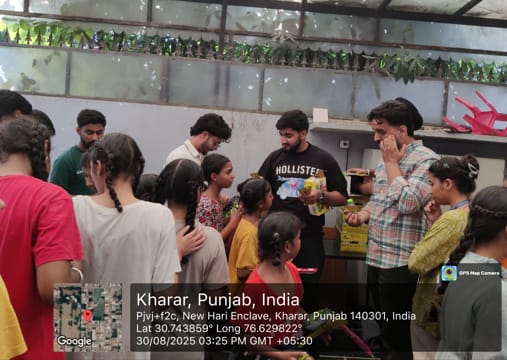
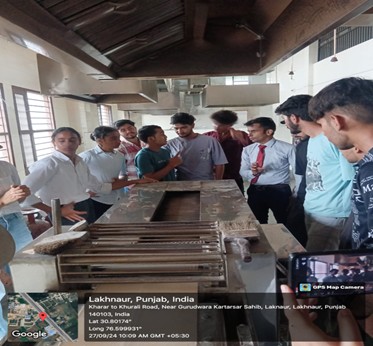
Strong partnerships are developed with local communities, healthcare organizations, industries, and social groups to address real-world challenges and promote inclusive growth. These collaborations provide students with opportunities to engage in community service, awareness campaigns, health camps, and environmental drives, helping them develop a sense of empathy and civic responsibility.
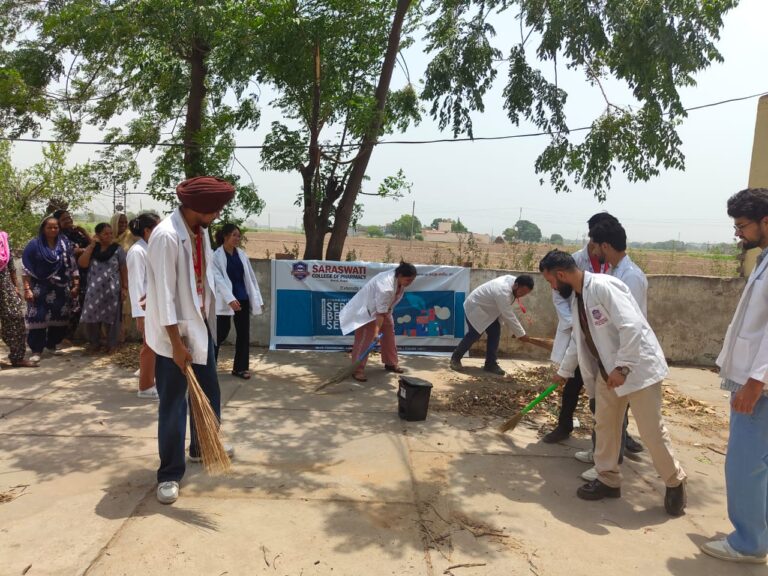
The institution regularly organizes extension activities such as cleanliness drives, rural outreach programs, health awareness initiatives. These efforts not only contribute to community development but also help students gain practical exposure and understand societal needs more closely.
In addition, industry collaborations and academic partnerships enhance knowledge sharing, skill development, and research opportunities. Guest lectures, workshops, and joint programs are conducted to bridge the gap between academia and industry, ensuring that students are better prepared for professional challenges.
Overall, the institution’s approach to sustainable communities and partnerships reflects its commitment to creating socially responsible individuals and contributing towards a more inclusive, aware, and sustainable society.
Sustainable Communities and Partnership Details
| Financial Year | Number of active sustainability initiatives involving external communities (not events/seminars, e.g. Regular waste reduction, planting, awareness drives) | Number of students exposed to real-world sustainability action during the year (planting trees), inside and outside campus | Number of students exposed to real-world sustainability action during the year (other than planting trees), inside and outside campus | Number of students exposed to real-world sustainability action during the year (outside campus, including all activities) | Number of events/seminars organized within and outside the campus to share sustainable practices |
| Unit | Number | Number | Number | Number | Number |
| 2024-25 | 10 | 50 | 200 | 50 | 10 |
| 2023-24 | 8 | 40 | 158 | 35 | 10 |
| 2022-23 | 8 | 35 | 150 | 25 | 5 |
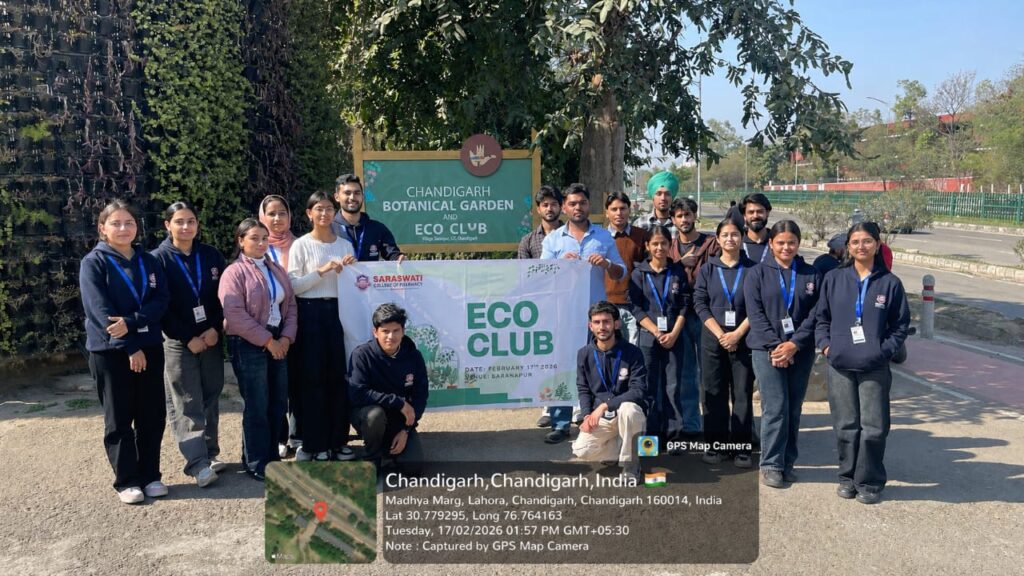
Mission:
To cultivate an environmentally conscious campus community by promoting “Green Thinking,” reducing the institutional carbon footprint, and engaging in active ecological restoration.
Key Objectives:
- Sustainability: Implement waste management, water conservation, and energy-saving projects on campus.
- Education: Conduct workshops on climate change, organic farming, and plastic alternatives.
- Conservation: Protect and enhance the local flora and fauna, including the maintenance of the medicinal and herbal gardens.
Eco Club
| S.No. | Name | Designation |
| 1. | Ms. Ritika | Faculty Coordinator |
| 2. | Sukhmanjot | President |
| 3. | Gurman Singh | Vice President |
| 4. | Nadim Nisharul Islam | Treasurer |
| 5. | Tamannah | Member |
| 6. | Mohd. Zubair | Member |
| 7. | Khushrajveer Bhardwaj | Member |
| 8. | Shreyan Choudhary | Member |
| 9. | Sanjay Sharma | Member |
| 10. | Navroop Kaur | Member |
| 11. | Deepika Puri | Member |
Report | ||
Energy Conservation | Energy audit certificates | |
Energy Conservation report 2023-24 | ||
Energy Conservation report 2022-23 | ||
Energy Conservation report 2021-22 | ||
Green Campus | ||
Health and well being | ||
Sustainable Communities and Partnership | ||
Waste Management Implementation | ||
Water Conservation | ||
Sustainable Development Goals(SDGs) - Goal-wise Report