Research Infrastructure
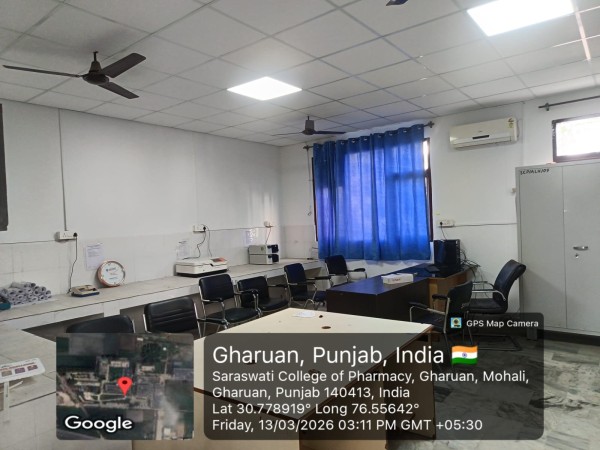
Pharmaceutic Lab
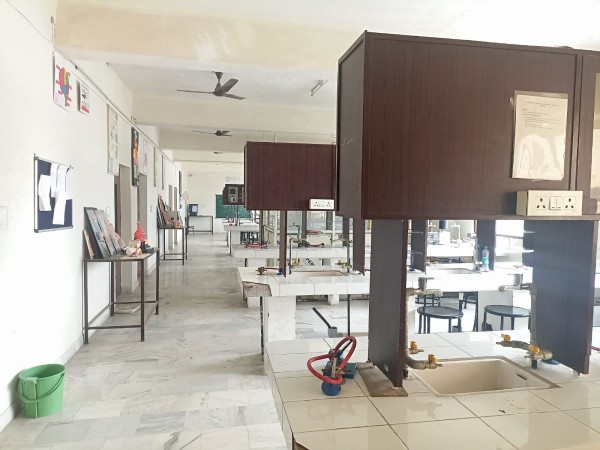
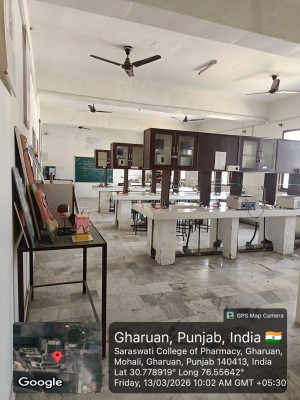
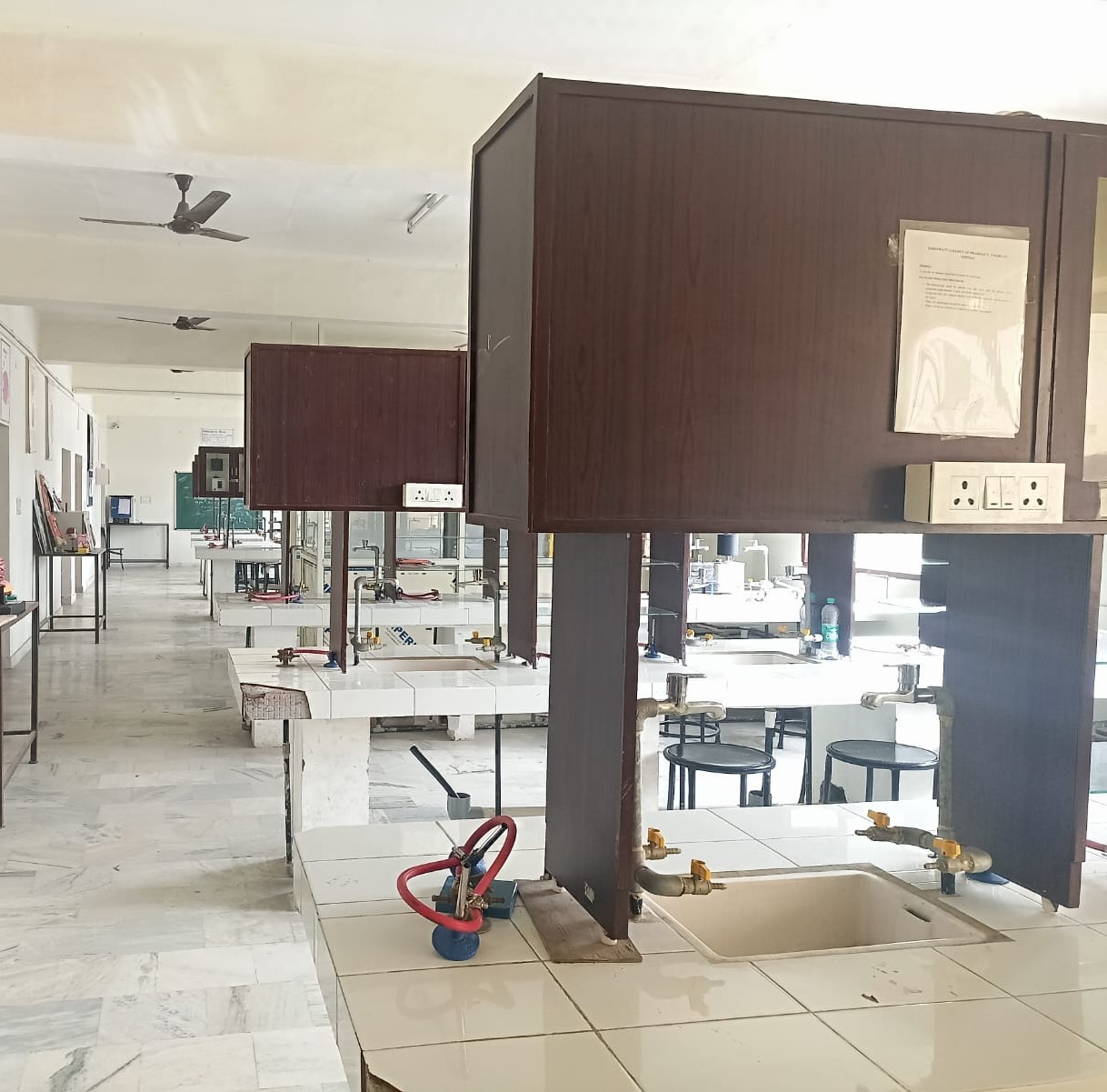
A pharmaceutics lab is a specialized facility focused on the development and optimization of pharmaceutical formulations and drug delivery systems. It is equipped with advanced tools such as mixers, granulators, tablet presses, and capsule fillers for creating various dosage forms. The lab also houses sophisticated analytical instruments like High-Performance Liquid Chromatography (HPLC) and Gas Chromatography (GC) for precise analysis and quality control of pharmaceutical compounds. Research in the lab encompasses formulation stability, bioavailability studies, and the development of innovative drug delivery methods to ensure the safety, efficacy, and stability of medications. Additionally, the lab follows stringent regulatory guidelines to ensure compliance with industry standards.
Pharmacology Lab
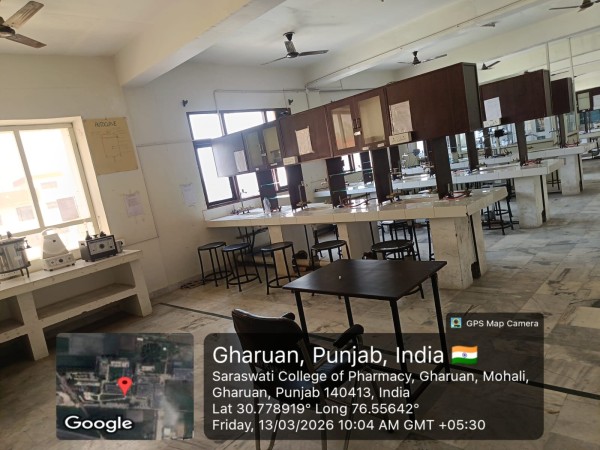
A pharmacology lab is a dedicated facility where the interactions between drugs and biological systems are studied to understand their effects, mechanisms, and therapeutic potential. Equipped with state-of-the-art instruments such as spectrophotometers, chromatographs, and imaging systems, the lab facilitates the analysis of drug action at molecular, cellular, and organism levels. Key activities include in vitro studies using cell cultures, in vivo experiments with animal models, and various assays to assess pharmacokinetics and pharmacodynamics. The lab’s research aims to elucidate drug mechanisms, optimize dosing regimens, and identify potential side effects, ultimately contributing to the development of safer and more effective pharmaceuticals. Compliance with ethical guidelines and regulatory standards is strictly maintained to ensure the integrity and applicability of research findings.
Machine Lab
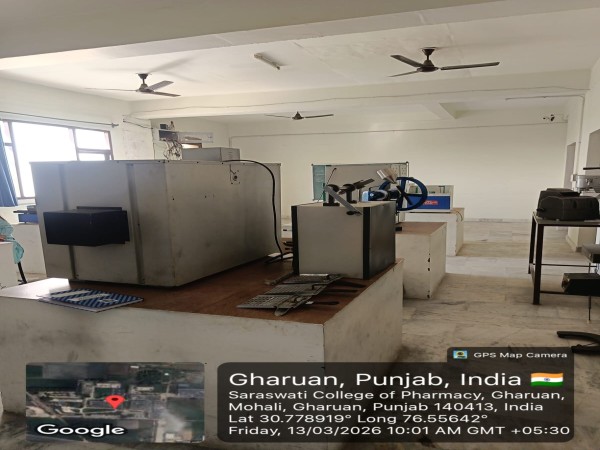
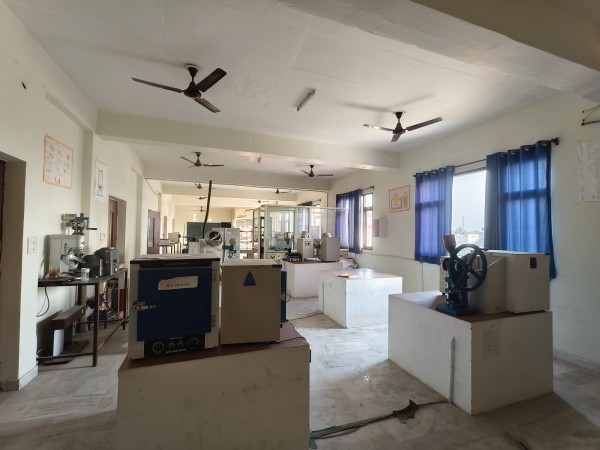
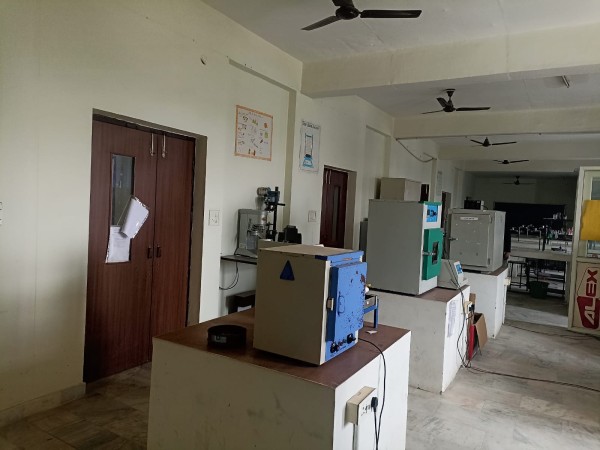
A pharmacognosy lab is a specialized research facility A machine room is a crucial infrastructure space housing the essential machinery and equipment required for various technical and industrial operations. Typically found in facilities such as hospitals, manufacturing plants, and large office buildings, this room contains equipment like HVAC systems, generators, pumps, compressors, and electrical control panels. The environment is designed to ensure optimal performance and longevity of the machinery, featuring robust ventilation, climate control systems, and soundproofing measures. Safety protocols are strictly enforced, including clear labeling of equipment, emergency shutdown procedures, and regular maintenance schedules. The organization and cleanliness of a machine room are paramount, as they directly impact the efficiency and safety of the operations supported by these critical systems.
Pharmaceutical Microbiology
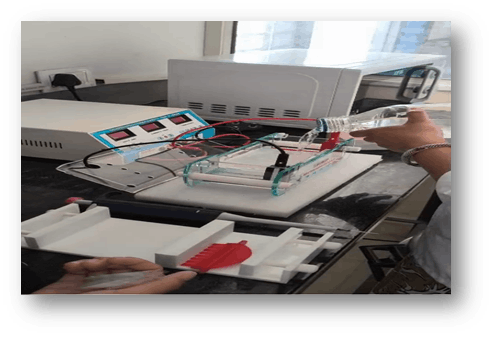
Pharmaceutical Microbiology focuses on advanced research, training, and practical skill development in microbiological and molecular techniques relevant to pharmaceutical sciences. It emphasizes cutting-edge learning, instruction, and practical skill development in molecular and microbiological methods pertinent to pharmaceutical sciences. The lab facilitates studies on natural products and microbial systems, and how they are used in medicine and drug development. A wide range of molecular and microbiological tasks can be carried out at the facility, including zone of inhibition assays, microbial culture and maintenance, media preparation, antibiotic sensitivity testing, DNA and RNA extraction from herbal and medicinal plants, and other common microbiological and biomolecular experiments carried out in accordance with authorized laboratory protocols. In addition to supporting academic and financed research initiatives and helping to improve research capacities in pharmaceutical microbiology and related life science fields, the laboratory offers researchers and students practical training.
Pharmaceutical Chemistry Lab
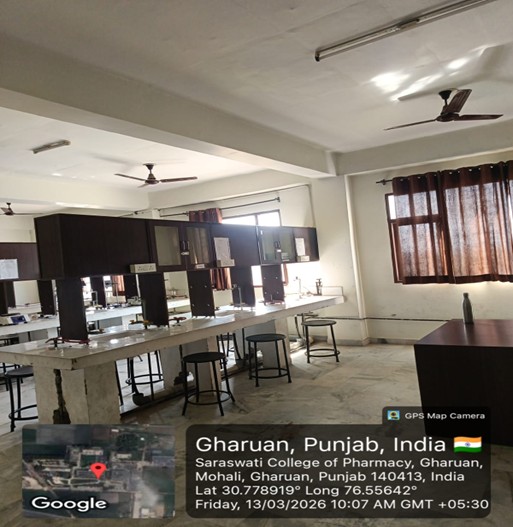
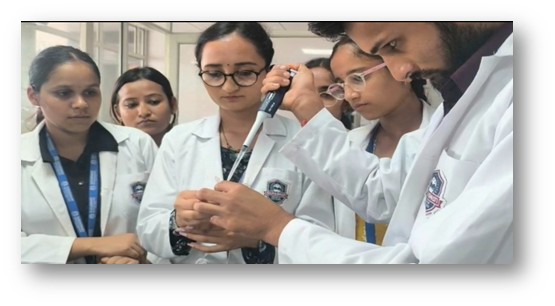
A pharmaceutical chemistry lab is a specialized environment where scientists engage in the design, synthesis, and analysis of chemical compounds intended for use as medications. This lab is equipped with advanced instruments such as mass spectrometers, and chromatography systems (HPLC and GC) to facilitate the identification and structural elucidation of chemical entities. Researchers in this lab conduct various chemical reactions to synthesize new compounds, followed by rigorous testing to evaluate their purity, stability, and biological activity. The lab’s focus includes optimizing the pharmacokinetic and pharmacodynamic properties of these compounds to enhance their therapeutic efficacy and safety. Strict adherence to safety protocols and regulatory guidelines ensures the quality and reliability of the research outcomes, contributing to the development of new and improved pharmaceuticals.
Pharmacognosy Lab
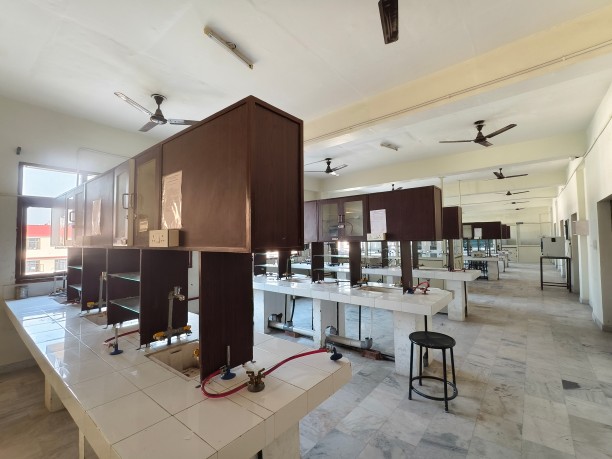
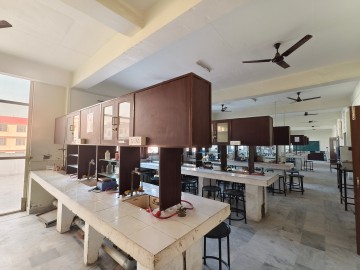
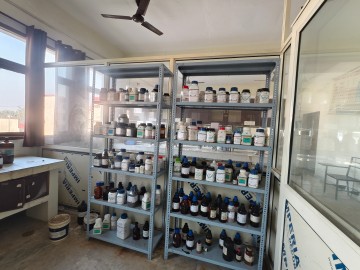
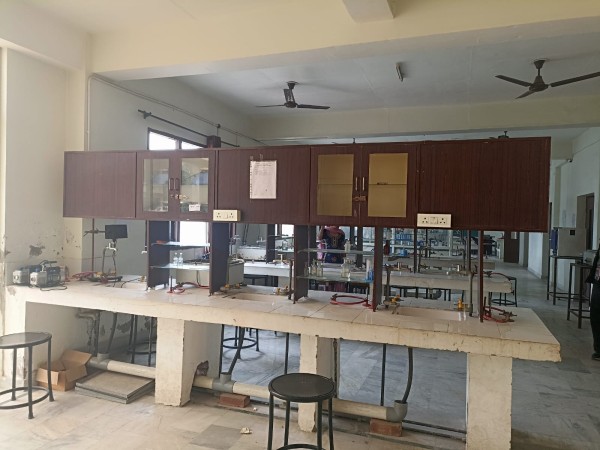
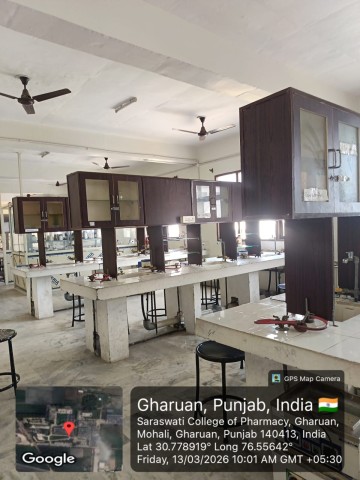
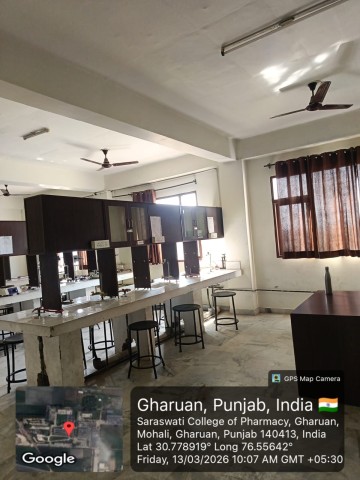
A pharmacognosy lab is a specialized research facility dedicated to the study of natural products derived from plants, animals, and microorganisms for their potential medicinal properties. The lab is equipped with various tools such as extraction units, chromatography systems (HPLC, GC, and TLC), and spectroscopic instruments (UV-Vis, and IR) to isolate, identify, and characterize bioactive compounds. Researchers in this lab focus on the extraction, purification, and structural elucidation of natural substances, as well as evaluating their pharmacological effects and potential therapeutic applications. The lab’s work often involves ethnobotanical studies, bioprospecting, and the investigation of traditional medicines. By adhering to rigorous scientific and ethical standards, the pharmacognosy lab contributes to the discovery and development of new drugs from natural sources, ensuring their efficacy and safety for pharmaceutical use.
Central Instrumentation Room Lab
A Central Instrumentation Room (CIR) lab is a cutting-edge facility equipped with advanced instrumentation and analytical tools essential for multidisciplinary scientific research. This lab houses a variety of sophisticated equipment such as mass spectrometers, high-performance liquid chromatography (HPLC) systems, gas chromatography (GC) systems, and electron microscopes. Designed to support a wide range of scientific inquiries, the CIR lab facilitates detailed molecular analysis, material characterization, and quantitative and qualitative assessments of complex samples. Researchers from diverse fields, including chemistry, biology, materials science, and environmental science, utilize this centralized resource to conduct high-precision experiments. The lab’s infrastructure is meticulously maintained to ensure the accuracy and reliability of data, with stringent protocols for instrument calibration, sample preparation, and data analysis. By providing access to state-of-the-art technology and fostering a collaborative research environment, the CIR lab plays a pivotal role in advancing scientific knowledge and innovation.